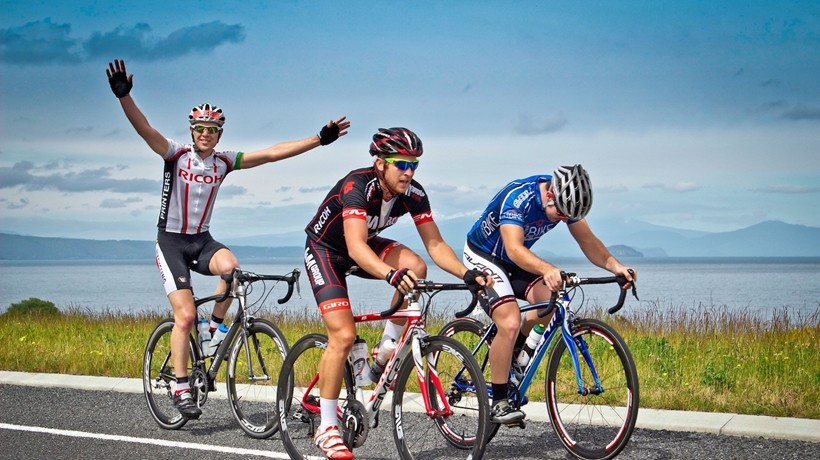
Recovery from addiction and mental health challenges is a journey that requires dedication, support, and the development of healthy routines. While therapy, medication, and structured treatment programs provide essential guidance, incorporating physical activity can enhance both emotional and physical well-being. Cycling, in particular, offers a unique combination of exercise, mindfulness, and community connection. For many individuals in recovery, it becomes more than a hobby—it becomes a tool for lasting healing.
The Physical Benefits of Cycling in Recovery
Restoring Strength and Endurance
Addiction often takes a significant toll on the body, leaving individuals with diminished energy, weakened muscles, and lower cardiovascular fitness. Regular cycling strengthens the heart, improves stamina, and enhances overall mobility. Even moderate rides contribute to increased energy levels and physical resilience, providing a strong foundation for continued recovery.
Managing Stress and Reducing Cravings
Physical activity stimulates the release of endorphins, natural chemicals that elevate mood and reduce stress. These mood-boosting effects can help individuals in recovery manage cravings, anxiety, and low motivation. Cycling provides a healthy, proactive outlet for stress, replacing old patterns with constructive habits that reinforce sobriety and emotional stability.
Mental and Emotional Healing Through Cycling
Practicing Mindfulness on the Bike
Cycling encourages present-moment awareness. Focusing on pedaling rhythm, breathing, and surroundings creates a form of mindfulness that can calm racing thoughts and reduce anxiety. Mindful riding helps individuals process emotions without judgment, giving them tools to navigate triggers and cope with challenges in daily life.
Building Confidence and Self-Efficacy
Completing rides, achieving personal milestones, or consistently showing up for scheduled rides fosters a sense of accomplishment. These small victories reinforce confidence, self-discipline, and resilience—essential components of long-term recovery. By tracking progress and celebrating achievements, individuals gain tangible proof of their strength and growth.
The Social and Community Aspect of Cycling
Connecting With Supportive Peers
Recovery is strengthened through social connection. Joining group rides, cycling clubs, or community-based programs provides encouragement, accountability, and a sense of belonging. Positive social interactions help reduce feelings of isolation and reinforce commitment to healthy behaviors.
Sharing Experiences and Celebrating Success
Cycling communities often offer a platform to exchange stories, share challenges, and celebrate personal progress. Hearing about others’ recovery journeys inspires hope and motivates continued engagement in healthy habits. These connections cultivate a supportive environment that enhances both mental and emotional well-being.
Practical Tips for Incorporating Cycling into Recovery
- Start Small: Begin with short, manageable rides and gradually increase distance and intensity.
- Set Achievable Goals: Track time, distance, or frequency to create motivation and measure progress.
- Focus on Enjoyment: Choose scenic or peaceful routes to enhance relaxation and stress relief.
- Incorporate Mindfulness: Pay attention to breath, cadence, and surroundings to strengthen present-moment awareness.
- Engage with Community: Participate in group rides or local cycling events to build social support networks.
Turning Cycling Into a Recovery Tool
Cycling offers a holistic approach to recovery that supports the body, mind, and emotional well-being. By fostering mindfulness, building confidence, and connecting with supportive communities, individuals can use cycling as a practical, accessible tool for lasting healing.
If you or a loved one are navigating addiction or mental health challenges, consider incorporating cycling into your recovery plan. Each ride represents a step toward improved physical health, emotional balance, and a renewed sense of hope. Reach out to trained professionals who can help develop a personalized recovery program that combines holistic approaches with individualized care.