Monthly Archives: February 2026

Mindful Riding for Lasting Wellness: Cycling Tips for Early and Long‑Term Recovery

Recovery from addiction and mental health challenges requires more than willpower. It is a journey that combines medical care, emotional support, and the development of healthy habits. Among these habits, mindful cycling offers a unique way to support both early and long-term recovery. Beyond physical exercise, cycling promotes emotional regulation, mental clarity, and resilience. By integrating mindfulness into rides, individuals can transform cycling from a simple activity into a powerful tool for lasting wellness.

The Benefits of Mindful Cycling in Recovery

Supporting Mental Health

Mindful cycling encourages attention to the present moment, focusing on breathing, posture, and the rhythm of pedaling. This mindfulness practice helps reduce stress, manage anxiety, and regulate emotions. For individuals in recovery, mindful rides provide a constructive outlet to process feelings, cope with cravings, and regain a sense of control over their mental state.

Enhancing Physical Wellness

Addiction and mental health challenges often impact physical health, including cardiovascular fitness, muscle strength, and energy levels. Cycling strengthens the heart, improves endurance, and increases overall vitality. Regular rides enhance energy levels, support healthy sleep patterns, and promote long-term physical resilience, creating a strong foundation for recovery.

Building Mindful Habits on Two Wheels

Start Small and Stay Consistent

In early recovery, it is important to prioritize consistency over intensity. Short rides of 15 to 20 minutes a few times per week can make a significant difference. Gradually increasing distance and duration allows the body and mind to adapt while establishing a structured routine that supports recovery goals.

Focus on Awareness During the Ride

Pay attention to the sensations of cycling, the environment, and your breathing. Observing thoughts and emotions without judgment fosters emotional awareness and resilience. This practice reinforces mindfulness skills that are transferable to daily life, helping individuals manage stress and cravings more effectively.

Set Achievable Goals

Tracking progress builds confidence and motivation. Goals can include distance, ride frequency, or improvements in stamina. Celebrating these achievements reinforces positive habits and provides tangible evidence of growth in both physical and emotional well-being.

Community and Connection Through Cycling

Join Group Rides or Clubs

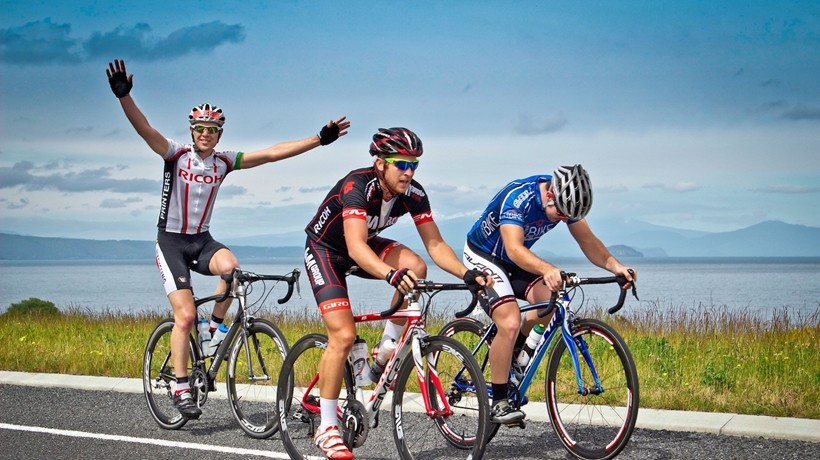
Social connection is critical in recovery. Group rides provide accountability, motivation, and the opportunity to form supportive relationships. Being part of a community of like-minded individuals can help reduce isolation, offer encouragement, and reinforce commitment to a healthy lifestyle.

Share Experiences and Celebrate Progress

Engaging with peers allows individuals to exchange coping strategies, discuss challenges, and celebrate milestones. Sharing successes and setbacks helps normalize the recovery journey and reinforces hope, resilience, and perseverance.

Practical Mindful Cycling Tips

  1. Choose Safe, Scenic Routes: Enjoyment and safety improve motivation and reduce stress.
  2. Practice Controlled Breathing: Focus on deep, steady breaths to enhance mindfulness and calm the mind.
  3. Incorporate Short Breaks: Pausing to notice surroundings supports reflection and mindfulness.
  4. Listen to Your Body: Adjust intensity according to energy and emotional state to prevent burnout.
  5. Reflect After Each Ride: Journaling feelings, observations, or achievements helps reinforce mindfulness and recovery awareness.

Turning Cycling Into a Recovery Habit

Mindful cycling offers a holistic approach to supporting recovery, combining physical activity, emotional regulation, and community engagement. By integrating mindfulness, setting achievable goals, and participating in supportive networks, cycling can become a sustainable habit that promotes long-term wellness.

If you or a loved one are navigating addiction or mental health challenges, consider incorporating mindful cycling into your recovery journey. Each ride offers an opportunity to build resilience, strengthen the body, and cultivate hope. Reach out to trained professionals for guidance on personalized recovery programs that incorporate holistic practices for lasting success.

Real Stories of Hope: How Cycling Transformed These Recovery Journeys

Recovery from addiction and mental health challenges can feel overwhelming, but it is also a journey filled with opportunities for growth, self-discovery, and transformation. While therapy, medication, and structured treatment programs play essential roles, some of the most powerful changes come from unexpected tools. Cycling is one such tool. Beyond improving physical health, cycling has been shown to enhance mood, build resilience, and foster community connections. In real stories from individuals in recovery, cycling has become more than a hobby—it has become a catalyst for hope and lasting change.

Healing the Body Through Movement

Physical Recovery After Addiction

Addiction often leaves the body depleted. Poor nutrition, disrupted sleep, and physical inactivity can weaken overall health. Cycling provides a low-impact, effective way to restore strength, cardiovascular fitness, and endurance. Many individuals in recovery report feeling more energized and physically capable after incorporating regular rides into their routine. These improvements not only enhance overall health but also create a stronger foundation for emotional and mental healing.

Managing Stress and Cravings

Physical activity like cycling triggers the release of endorphins, natural chemicals that help regulate mood and reduce stress. For individuals facing cravings, a ride can provide a healthy and immediate outlet for tension, helping to prevent relapse. Real stories from recovery participants highlight how cycling became a coping strategy, replacing old patterns with constructive habits that support long-term sobriety.

Cycling as Emotional Therapy

Mindfulness on Two Wheels

Cycling encourages focus on movement, breath, and surroundings, creating a form of active mindfulness. Riders learn to stay present, acknowledging emotions without judgment while redirecting energy toward healthy activity. This mindfulness practice has helped many people in recovery navigate anxiety, depression, and other emotional challenges with greater clarity and calm.

Building Confidence and Resilience

Completing rides, reaching personal milestones, or even simply showing up consistently fosters a sense of accomplishment. These small victories build self-esteem and reinforce resilience, essential traits for maintaining recovery. Participants often describe cycling as a way to prove to themselves that they are capable of commitment, endurance, and growth.

The Community Power of Cycling

Connecting with Supportive Peers

Recovery thrives in supportive environments. Group rides, community cycling events, or cycling-focused recovery programs allow individuals to form bonds with like-minded peers. These connections reduce isolation, provide encouragement, and create a network of accountability that strengthens the recovery process.

Sharing Stories and Celebrating Success

Cycling communities often become spaces for storytelling and mutual support. Riders share experiences of challenges and breakthroughs, offering inspiration and guidance. Celebrating progress together reinforces hope and motivates continued engagement in recovery-focused activities.

Practical Tips from Real Riders

  1. Start Where You Are: Even short rides count. The goal is consistency, not speed.
  2. Track Progress: Logging distance, time, or routes provides motivation and a sense of achievement.
  3. Join a Group: Community rides offer accountability and emotional support.
  4. Incorporate Mindfulness: Focus on breathing, rhythm, and surroundings during rides.
  5. Celebrate Milestones: Recognize every small win to reinforce confidence and resilience.

Turning Cycling Into a Recovery Tool

Cycling is more than an exercise. It is a holistic practice that strengthens the body, nurtures emotional health, and builds supportive connections. Real stories from individuals in recovery demonstrate how this simple activity can transform lives, offering hope, empowerment, and a tangible path toward wellness.

If you or a loved one are navigating addiction or mental health challenges, consider incorporating cycling into your recovery journey. Every ride represents progress, connection, and self-discovery. Reach out to trained professionals who can provide individualized support, guiding you toward a holistic and lasting recovery.