Monthly Archives: April 2026

Cycle, Heal, Thrive: Using Biking to Overcome Stress, Anxiety, and Cravings

Recovery from addiction and mental health challenges is a process that calls for consistent care, practical tools, and a willingness to build new habits. While professional treatment programs provide essential support, daily activities that strengthen both the body and mind can make a meaningful difference. Cycling is one of those activities. It offers a simple yet powerful way to manage stress, reduce anxiety, and cope with cravings while supporting long-term healing.

For individuals engaged in addiction recovery services, mental health treatment, or holistic care programs, biking can become a valuable part of a personalized recovery plan. It is not just about movement. It is about creating a healthier rhythm for life.

How Cycling Supports Stress Reduction

Releasing Physical and Emotional Tension

Stress is a common trigger for relapse and emotional setbacks. Cycling helps release built-up tension through steady physical movement. As the body engages in rhythmic pedaling, stress hormones begin to decrease, allowing the mind to settle.

Regular rides also promote the release of endorphins, which naturally improve mood and create a sense of calm. This combination makes cycling an effective and accessible way to manage daily stress.

Creating a Healthy Outlet

In recovery, it is important to replace harmful coping mechanisms with constructive ones. Cycling provides a reliable outlet for frustration, restlessness, and emotional overload. Instead of turning to substances, individuals can turn to movement, fresh air, and a sense of progress.

Managing Anxiety Through Mindful Riding

Staying Grounded in the Present

Anxiety often stems from worrying about the future or replaying the past. Cycling encourages focus on the present moment. Riders pay attention to their breathing, the rhythm of pedaling, and their surroundings.

This mindful awareness helps calm racing thoughts and promotes emotional balance. Over time, individuals can carry this sense of presence into other areas of their lives.

Building a Sense of Control

Anxiety can make people feel overwhelmed or powerless. Cycling introduces small, manageable goals that restore a sense of control. Completing a ride, reaching a destination, or improving endurance reinforces confidence and stability.

These experiences remind individuals that progress is possible, even when challenges feel overwhelming.

Reducing Cravings With Positive Habits

Redirecting Urges Into Action

Cravings are a natural part of recovery, especially in the early stages. Cycling offers a practical way to redirect those urges into something positive. Going for a ride during a moment of craving can shift attention and reduce intensity.

The physical effort and mental focus required during cycling create a break in the craving cycle, allowing individuals to regain control.

Strengthening Healthy Routines

Consistency is key in recovery. Incorporating regular cycling into a daily or weekly schedule helps establish a routine that supports long-term success. Over time, this routine replaces unhealthy patterns with positive behaviors that promote stability and growth.

The Holistic Impact of Cycling

Supporting Mind, Body, and Spirit

Holistic recovery focuses on healing the whole person. Cycling supports physical health, improves mental clarity, and encourages emotional resilience. For those engaged in faith-based or individualized care programs, cycling can also provide time for reflection, gratitude, and personal growth.

Complementing Professional Treatment

Cycling works best when combined with structured care such as inpatient programs, outpatient therapy, and counseling. It enhances the benefits of professional treatment by reinforcing healthy habits and providing a practical tool for daily stress management.

Practical Tips for Getting Started

Start at Your Own Pace

Begin with short rides that feel comfortable. Gradually increase distance and intensity as your strength and confidence improve.

Choose Calm and Safe Environments

Select routes that promote relaxation and focus. Quiet streets, parks, or nature trails can make the experience more enjoyable and less stressful.

Stay Consistent

Consistency matters more than intensity. Regular rides, even if they are brief, help build a habit that supports recovery.

Pair Cycling With Other Recovery Practices

Combine biking with counseling, support groups, or mindfulness exercises to create a well-rounded approach to healing.

Conclusion: A Path Toward Healing and Growth

Cycling is more than a physical activity. It is a practical and empowering tool that helps individuals manage stress, reduce anxiety, and cope with cravings. By integrating biking into a recovery plan, individuals can build healthier habits, strengthen resilience, and create a sense of progress that supports long-term wellness.

Every ride represents a choice to move forward. A choice to heal. A choice to thrive.

If you or a loved one is navigating addiction or mental health challenges, reaching out for professional support is an important step. With compassionate care, personalized treatment, and holistic practices like cycling, lasting recovery is within reach.
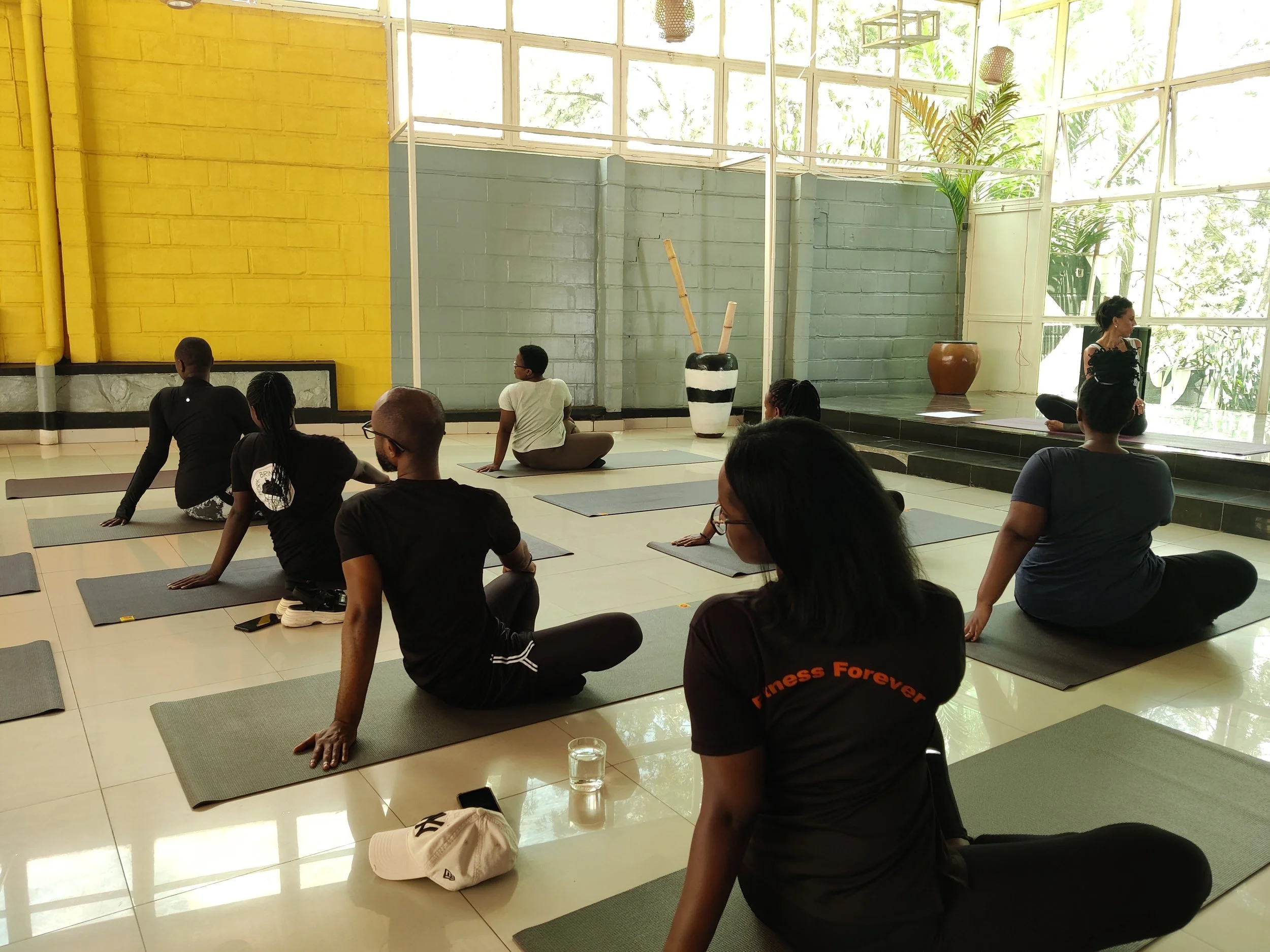
Riding Through Recovery: Building Strength, Mindfulness, and Community

Recovery from addiction and mental health challenges is not a single moment of change. It is a process that unfolds through consistent effort, supportive care, and the development of healthy habits. While clinical treatment, counseling, and structured programs provide essential guidance, activities that engage both the body and mind can deepen the healing process. Cycling is one of those activities. It offers a practical, accessible way to build strength, practice mindfulness, and reconnect with others. For many individuals, cycling becomes a meaningful part of a holistic recovery journey.

Strengthening the Body for Lasting Recovery

Rebuilding Physical Health

Substance use and prolonged stress can leave the body fatigued and weakened. Cycling provides a low-impact way to rebuild physical strength and endurance. Regular rides improve cardiovascular health, increase stamina, and support overall wellness.

As physical health improves, individuals often experience higher energy levels and better sleep. These changes can positively influence mood, focus, and motivation, making it easier to stay engaged in recovery programs, whether inpatient or outpatient.

Creating a Healthy Routine

Structure is a key component of successful recovery. Cycling can become a reliable part of a daily or weekly routine, offering consistency during a time that may otherwise feel uncertain.

Even short rides can create a sense of accomplishment. Over time, this consistency helps individuals develop discipline and reinforces the importance of showing up for their own well being.

Mindfulness on Two Wheels

Staying Present in the Moment

Mindfulness is often a core element of both mental health treatment and addiction recovery. Cycling naturally encourages present moment awareness. Riders focus on their breathing, the rhythm of pedaling, and the environment around them.

This awareness helps quiet racing thoughts and reduces anxiety. It also allows individuals to process emotions in a healthy way, without becoming overwhelmed.

Managing Stress and Emotional Triggers

Stress and emotional triggers are common challenges during recovery. Cycling offers a constructive outlet for releasing tension. The physical movement helps regulate stress hormones while promoting a sense of calm.

Mindful riding can also serve as a coping strategy when cravings arise. By redirecting attention to the body and the present moment, individuals gain a practical tool to navigate difficult situations.

Building Community Through Cycling

Reducing Isolation

Isolation is one of the most difficult aspects of addiction and mental health struggles. Recovery is often more successful when individuals feel connected and supported. Cycling provides opportunities to engage with others in a positive and healthy environment.

Group rides, local cycling clubs, or recovery focused programs can create a sense of belonging. Being around others who share similar goals reinforces motivation and reduces feelings of loneliness.

Encouraging Accountability and Support

Community involvement adds a layer of accountability that can strengthen recovery. When individuals commit to riding with others or participating in group activities, they are more likely to stay consistent.

These connections also provide encouragement during challenging times. Sharing experiences, celebrating progress, and offering support builds trust and strengthens the recovery journey.

Practical Tips for Getting Started

Begin With Realistic Goals

Start with short, manageable rides that match your current fitness level. Gradually increase duration and intensity as your strength and confidence grow.

Choose Safe and Enjoyable Routes

Select routes that feel comfortable and inspiring. Parks, quiet streets, or nature trails can enhance relaxation and make cycling more enjoyable.

Focus on Consistency Over Perfection

Regular rides, even if they are brief, are more beneficial than occasional intense sessions. Consistency helps build lasting habits that support recovery.

Integrate With Professional Care

Cycling is most effective when combined with structured treatment. Whether you are participating in inpatient care, outpatient programs, or individualized therapy, cycling can complement these services and enhance overall progress.

Conclusion: Moving Forward Together

Cycling offers a holistic approach to recovery that supports physical health, mental clarity, and meaningful connection. By building strength, practicing mindfulness, and engaging with a supportive community, individuals can create a balanced and sustainable path toward healing.

Recovery is not about perfection. It is about progress, one step at a time. Each ride represents a commitment to growth, resilience, and a healthier future.

If you or someone you care about is navigating addiction or mental health challenges, reaching out for professional support is an important step. With compassionate care, personalized treatment, and holistic practices like cycling, lasting recovery is possible.

Pedal to Progress: Daily Cycling Habits That Boost Recovery and Resilience

Recovery from addiction and mental health challenges is built one decision at a time. While professional treatment, therapy, and structured care provide the foundation for healing, daily habits are what sustain long-term progress. Among the most effective and accessible habits is cycling. When practiced consistently, cycling becomes more than exercise. It becomes a stabilizing routine that supports emotional balance, strengthens the body, and builds resilience during recovery.

For individuals engaged in addiction recovery services, mental health treatment, or outpatient care, daily cycling can serve as a powerful complementary practice that reinforces healing in a practical and meaningful way.

Why Daily Cycling Matters in Recovery

Building Structure in Early Recovery

One of the biggest challenges in early recovery is rebuilding structure. Addiction often disrupts daily routines, sleep cycles, and motivation. Daily cycling introduces a simple and achievable anchor to the day.

Even a short ride creates rhythm and consistency. Over time, this structure helps individuals regain a sense of control, which is essential for emotional stability and long-term recovery success.

Supporting Mental Stability and Focus

Mental health recovery often involves managing anxiety, depression, and intrusive thoughts. Cycling helps regulate the nervous system by promoting steady breathing, movement, and focus.

As the body moves, the mind begins to settle. This combination supports clearer thinking and improved emotional regulation, both of which are important in preventing relapse and maintaining progress.

Physical Benefits That Strengthen Recovery

Restoring Energy and Endurance

Addiction and mental health struggles can leave the body depleted. Daily cycling helps rebuild physical strength in a gradual and sustainable way. It improves cardiovascular health, increases stamina, and boosts overall energy levels.

Unlike high impact workouts, cycling is gentle on the joints, making it suitable for individuals at different stages of recovery and fitness.

Improving Sleep and Natural Recovery Cycles

Regular physical activity supports better sleep quality. Many individuals in recovery struggle with disrupted sleep patterns, which can affect mood and decision making.

Daily cycling helps regulate circadian rhythms, making it easier to fall asleep and wake up with more consistency. Better sleep directly supports emotional resilience and mental clarity.

Emotional and Psychological Benefits of Cycling

Reducing Stress and Emotional Overload

Stress is one of the most common triggers for relapse. Cycling provides a healthy outlet for releasing emotional tension. The repetitive motion of pedaling helps calm the nervous system and reduces cortisol levels.

This makes cycling an effective coping tool during moments of emotional overwhelm or cravings.

Replacing Negative Patterns With Positive Action

Recovery is not only about stopping harmful behaviors. It is also about replacing them with healthier ones. Daily cycling creates a positive behavioral shift by turning stress or restlessness into movement and progress.

Each ride reinforces the idea that discomfort can be managed without returning to old habits.

Building Resilience Through Daily Cycling Habits

Small Wins That Build Confidence

Resilience is built through repetition and achievement. Every completed ride, no matter how short, becomes a small win. These wins accumulate over time and strengthen self belief.

For individuals in recovery, this sense of progress is essential. It reinforces the idea that change is possible and that consistency leads to transformation.

Strengthening Emotional Endurance

Recovery is not a straight path. It includes challenges, setbacks, and emotional highs and lows. Daily cycling helps individuals develop emotional endurance by encouraging persistence.

Learning to show up for a ride even on difficult days mirrors the same resilience needed in recovery itself.

Practical Daily Cycling Habits for Recovery

Start With Manageable Rides

Begin with short rides that feel achievable. Ten to twenty minutes is enough to build momentum without creating pressure.

Create a Consistent Routine

Choose a time of day that works best and stick to it. Consistency helps turn cycling into a habit rather than an occasional activity.

Focus on Mindful Riding

Pay attention to breathing, surroundings, and body movement. This mindfulness enhances emotional regulation and reduces anxiety.

Track Progress Over Time

Keeping track of rides, distance, or time helps reinforce motivation. Seeing progress builds confidence and encourages long-term commitment.

Combine Cycling With Treatment Goals

Daily cycling works best when paired with structured care such as counseling, outpatient programs, or holistic recovery approaches. It supports, rather than replaces, professional treatment.

Conclusion: Turning Daily Rides Into Lasting Recovery

Daily cycling is a simple but powerful habit that supports every stage of recovery. It strengthens the body, stabilizes the mind, and builds the emotional resilience needed to navigate life beyond addiction and mental health challenges.

Each ride becomes more than movement. It becomes a reminder of progress, discipline, and hope. Over time, these daily efforts add up to meaningful transformation.

If you or someone you love is working through addiction or mental health recovery, integrating cycling into a daily routine can be a valuable step forward. Combined with professional treatment and compassionate support, it can help create a stronger, healthier, and more resilient future.

Healing on Two Wheels: How Cycling Supports Recovery and Mental Health

Recovery from addiction and mental health challenges is a journey that requires dedication, support, and intentional habits. While therapy, counseling, and structured treatment programs provide the foundation for healing, integrating physical activity into recovery can enhance both mental and emotional well-being. Cycling, in particular, offers a unique combination of exercise, mindfulness, and community connection. For many individuals, it becomes more than a hobby—it becomes a tool for lasting wellness.

Cycling supports recovery by addressing the body, mind, and spirit simultaneously. Whether you are in an inpatient program, attending outpatient therapy, or participating in holistic and faith-based recovery services, incorporating regular rides can reinforce positive habits, reduce stress, and foster resilience.

Physical Benefits of Cycling in Recovery

Restoring Strength and Energy

Addiction can significantly weaken the body, leaving individuals fatigued and low on energy. Cycling provides a low-impact form of exercise that rebuilds stamina, strengthens muscles, and improves cardiovascular health. Even short daily rides can lead to noticeable improvements in energy and endurance, giving individuals the physical foundation to engage fully in their recovery journey.

Managing Stress and Reducing Cravings

Exercise triggers the release of endorphins, natural chemicals that elevate mood and reduce stress. For individuals in recovery, cycling provides a healthy outlet for tension and anxiety. Regular rides can help manage cravings by offering a structured, positive activity that replaces old, harmful coping mechanisms.

Mental and Emotional Benefits

Practicing Mindfulness

Cycling naturally encourages focus on the present moment. Paying attention to pedaling rhythm, breath, and surroundings fosters mindfulness, which has been shown to reduce anxiety and improve emotional regulation. Mindful cycling helps individuals process difficult emotions without judgment, allowing them to respond thoughtfully to challenges rather than react impulsively.

Building Confidence and Resilience

Completing rides, reaching milestones, or consistently showing up for scheduled rides fosters a sense of accomplishment. These small victories reinforce self-confidence and resilience—two critical factors in maintaining long-term recovery. By tracking progress and celebrating achievements, riders gain tangible proof of their strength and growth.

The Role of Community in Cycling and Recovery

Connecting With Supportive Peers

Recovery is strengthened through social support. Group rides, cycling clubs, or community wellness programs offer encouragement and accountability. Positive social interactions help reduce feelings of isolation and reinforce commitment to healthy routines.

Sharing Experiences and Motivation

Cycling communities provide a platform to share personal stories, challenges, and successes. Hearing others’ experiences fosters hope and inspires continued engagement in healthy habits. Celebrating milestones together creates bonds that support long-term mental and emotional wellness.

Practical Tips for Integrating Cycling Into Recovery

  1. Start Small: Begin with short, manageable rides and gradually increase distance and duration.
  2. Set Goals: Track time, distance, or frequency to maintain motivation and celebrate progress.
  3. Focus on Mindfulness: Pay attention to your breathing, cadence, and surroundings during each ride.
  4. Choose Enjoyable Routes: Scenic trails or quiet streets make rides more relaxing and stress-reducing.
  5. Combine With Recovery Programs: Use cycling alongside counseling, therapy, and holistic approaches for maximum benefit.

Transforming Recovery Through Cycling

Cycling offers a holistic approach to recovery that strengthens the body, nurtures the mind, and fosters emotional resilience. By integrating cycling into daily routines, individuals can reduce stress, manage cravings, and build confidence. Each ride becomes a step toward wellness, personal growth, and lasting recovery.

If you or a loved one are navigating addiction or mental health challenges, consider adding cycling to your recovery plan. Paired with professional guidance, individualized care, and holistic support, cycling can become a meaningful tool in your journey toward health, balance, and hope. Reach out today to explore personalized recovery options that integrate movement, mindfulness, and community support.